Turn-Taking Begins Before “Wait”
How connection, play, and shared experience build executive function from the inside out
Turn-taking doesn’t start with “wait.”
It starts with connection. With joy. With shared moments that feel so engaging a child wants to stay in them.
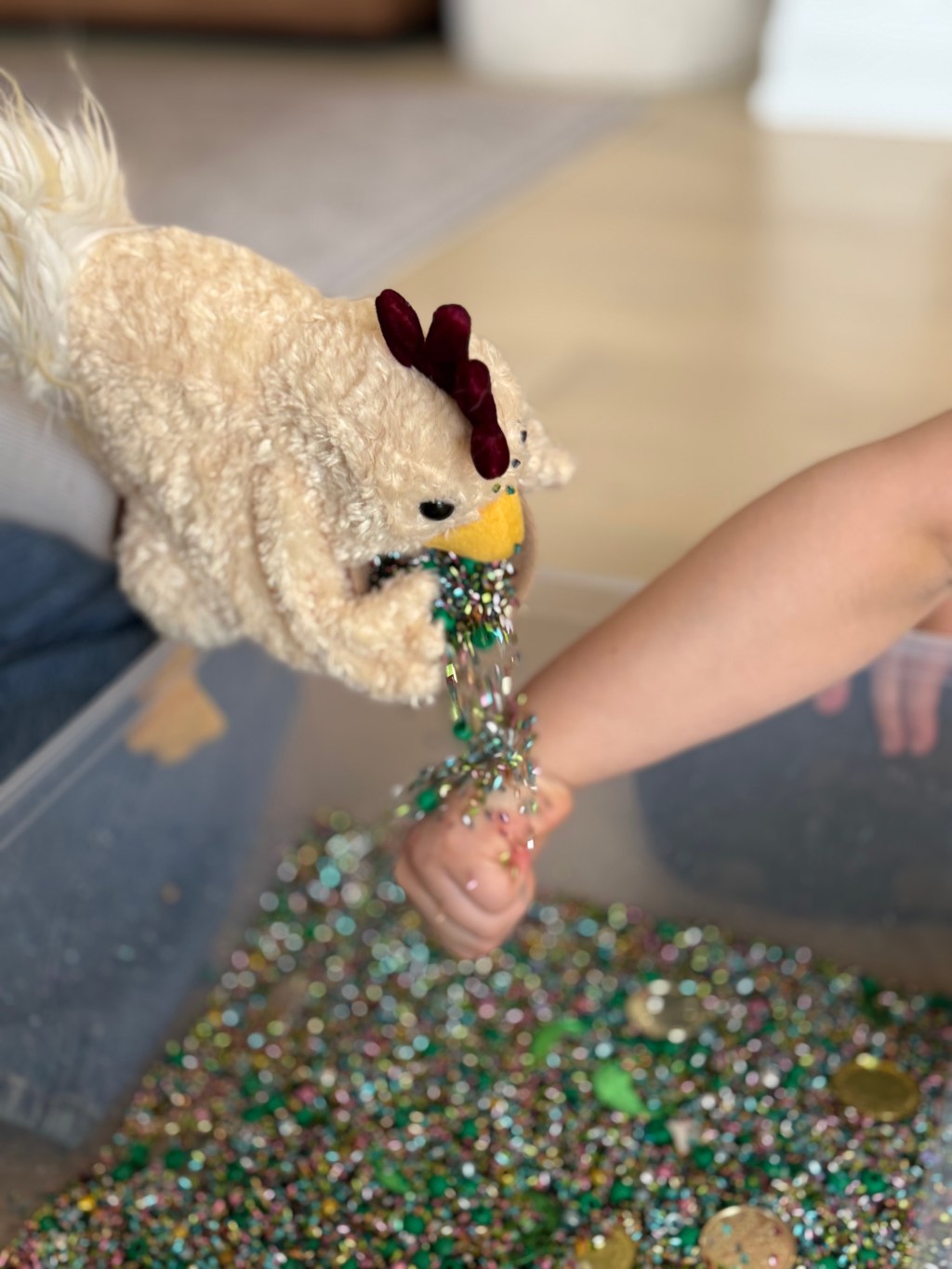
It begins with glitter falling through tiny hands…
with the urge to keep pouring just a little longer…
with that moment where pausing feels really hard.
And that’s exactly where the learning lives.
Because in these moments, children aren’t just playing, they are building the foundations of executive function in a way that feels safe, meaningful, and real.

Turn-Taking Is Not a Rule—It’s an Experience
In many environments we see turn-taking is introduced as a rule:
“Wait your turn.”
“Give it back.”
“Now it’s someone else’s turn.”
But Organic Play within the MindClusivity™ lens, shift the question.
Instead of asking: How do we get children to wait?
We ask: How do we create experiences where pausing feels possible?
This distinction matters.
Executive function does not develop through instruction alone, it grows through meaningful, relational experiences where children are emotionally engaged
When a child is deeply immersed in play, their desire to continue is strong. That pull … the “I want more” ….is not something to interrupt. It is something to enter.
So we stay with them.
We MODEL play patterns gently:
“You do… I do… it comes back to you.”
And over time, the experience becomes the learning.
What’s Really Happening in That Moment
What looks like a simple turn-taking interaction is actually a rich developmental process unfolding in real time.
Within that shared play moment, children are building:
• Inhibitory control → pausing the urge to keep going
• Working memory → holding the sequence of turns
• Cognitive flexibility → shifting between roles
These are the core components of executive function skills that shape how children regulate, plan, connect, and participate in everyday experiences.
Importantly, these capacities don’t emerge through pressure or repetition of rules.
They grow through lived experience, through moments where children pause, hold, and return within connection.
This reflects the MindClusivity™ understanding that development is nonlinear, dynamic, and deeply individual .
Why Play Is the Entry Point
Play is not separate from development it is the pathway through it.
When materials are engaging pouring, scooping, building, they naturally invite repetition, focus, and shared attention. This creates what we call:
Open Doors to Engagement
What is it?
Flexible, meaningful entry points into play that invite children through curiosity and interest.
Why it matters
Sustained engagement is the foundation for executive function development.
What it looks like
A child fully immersed in an activity, returning to it again and again.
How it supports MindClusivity™
It creates access to participation without pressure, allowing development to emerge naturally.
Child-led, play-based experiences, especially those involving shared attention, are strongly linked to executive function development
When children are engaged, they are not being asked to learn.
They are already in it.
The Role of the Educator: Staying Inside the Moment
In the MindClusivity™ framework, we don’t step in to control the interaction; we step in to join it.
We become:
• Play partners
• Co-experiencers
• Rhythm builders
Instead of directing:
“Wait your turn.”
We co-create a play pattern:
“You do… I do… and it comes back to you.”
This rhythm matters.
Because predictability builds trust.
And trust makes pausing possible.
Responsive, attuned interactions like these are foundational for the development of self-regulation and executive function.
Turn-Taking Is Built on Trust
At its core, turn-taking is not about giving something up.
It is about knowing it will return.
A child can only pause if they feel safe.
They can only wait if they trust the interaction will continue.
Through shared play, we communicate:
“You’re not losing this. We’re in it together.”
And in that space, something begins to shift.
Children start to:
• Pause without being told
• Anticipate what comes next
• Let go—without distress
This is not compliance.
This is development.
And it reflects what research continues to show: executive function grows through socially embedded, co-regulated experiences—not isolated instruction
From “Waiting” to Returning
When we reframe turn-taking this way, everything changes.
Children are no longer being asked to:
• Stop
• Give up
• Follow a rule
Instead, they are learning to:
• Pause
• Hold
• Trust
• Return
And that’s where executive function truly begins.
Not in being told to wait—
but in experiencing that you can pause…
and still come back.
 organicplay.ca
Leave a comment